
A New Step toward Bridging the Digital Divide among Older Adults
Hidenori Arai
Director, National Center for Geriatrics and Gerontology (NCGG)
In the modern age where digital technologies are deeply integrated into our daily lives, their use has been shown to have various health benefits. However, basic skills in using digital devices and the internet are essential to enjoy these benefits. Many older adults are unfamiliar with these technologies or have limited opportunities to access them. This situation is referred to as the "digital divide" (or "information gap") and is a causal factor for issues such as social isolation and disparate access to information. Bridging the digital divide and increasing the number of older adults who can enjoy the benefits of digital technologies are worthwhile initiatives toward achieving further gains in healthy life expectancy.
In this special edition of Aging & Health, we introduce the Japan Foundation for Aging and Health (JFAH)'s project aimed at bridging the digital divide among older adults, entitled "Grant for Research on Solutions to Aging Society Issues and Activities for Social Implementation." This project was made possible with the support of Google LLC, based on the synergy between JFAH's motto of "realizing a society of enjoyable longevity" and Google's commitment to improving the digital skills of all generations. With Google's support, three researchers addressed this challenge from their respective fields of expertise to find real-world solutions. The researchers established numerical targets and succeeded in achieving them. Specifically, Hiroyuki Shimada from the National Center for Geriatrics and Gerontology (NCGG) investigated the theme of community building among older adults through the promotion of smartphone use, Yasuyuki Taki from Tohoku University investigated the theme of learning digital skills together through multi-generational exchanges, and Hiroshi Murayama from the Tokyo Metropolitan Institute for Geriatrics and Gerontology (TMIG) investigated the theme of employment support using digital technologies.
In this special issue, we begin with an analysis of the social impacts of the digital divide, and then take a closer look at the issues and outcomes that have emerged through the project initiatives.
Our engagement in this project highlighted the need to consider technical support and psychological aspects so that older adults can confidently use digital technologies. By comprehensively promoting these initiatives, it will become possible to create an environment in which older adults can proactively participate in digital society and enjoy a long life.
I sincerely hope that this special issue will mark a new step toward bridging the digital divide among older adults.
Author
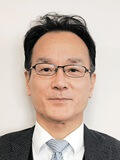
- Hidenori Arai
- President, National Center for Geriatrics and Gerontology (NCGG)
- Background
- 1991: Completed doctoral program in medicine at Kyoto University Graduate School of Medicine; Instructor at Department of Geriatric Medicine, Kyoto University Hospital; 1993: Postdoctoral fellow of University of California, San Francisco; 1997: Instructor at Department of Geriatric Medicine, Kyoto University Hospital; 2003: Assistant Professor, Department of Geriatric Medicine, Kyoto University Graduate School of Medicine; 2009: Professor, Department of Human Health Science, Kyoto University Graduate School of Medicine; 2015: Deputy Director of NCGG Hospital and Director of NCGG's Center for Gerontology and Social Science; 2018: Director of NCGG Hospital; 2019: Appointed President of NCCG (current position)
- Specialization
- Geriatric medicine